A mouse story
By Julie Garden-Robinson
“I saw a mouse run up the steps, into the closet and back downstairs three times,” my husband commented casually.
“See? I pay attention to things,” he added.
“You didn’t tell our friend she had a mouse running around in her house?” I exclaimed.
“We were having a nice time, and I didn’t want to ruin the evening,” he shrugged.
“I would have screamed,” I said, texting our friend. I glared at my husband.
“WHAT?????” she texted back.
She was raised on a farm, so the mouse had no chance. She actually ended up trapping two mice.
Mice have been in the news lately because they can spread potentially deadly diseases such as hantavirus. Fortunately, hantavirus is rare in our area, but we still need to take precautions.
Rodents can also spread various types of bacteria, including salmonella. Without proper sanitation procedures, the germs can make their way to food from surfaces or our hands. That’s why we always spend some time in food safety classes addressing pest control.
Unfortunately, this is a decidedly unappetizing column. I should have added a warning, but I’d like to share some cautions. I hope that you do not encounter mice, but here’s what the Centers for Disease Control and Prevention recommends.
Mice and other pests are very opportunistic, always on the lookout for food and shelter from our cold winters.
As you begin the summer season and clean cabins, garages, boats, cars and sheds, be sure to take care to avoid encountering mice or their waste products. Protective clothing, goggles or masks are often needed for clean-up.
Look for entry points for mice and other rodents, and seal any openings. Be aware that mice can fit through openings the size of a pencil eraser or use their sharp teeth to chew the hole larger. Rats can enter through the size of a quarter.
Fun fact: Their teeth continue to grow throughout their lifespan. Looking for gnaw marks is another way to spot an infestation.
If you are wondering if mice have been in your property, get a battery-operated black light and turn off any overhead lights. Rodent urine fluoresces, so you can see where they have been.
Avoid sweeping or vacuuming the area because that can spread the germs into the air you breathe.
If you suspect that rodents have been in a building, vehicle or other property, open the doors and windows and allow the space to ventilate for at least 20 minutes.
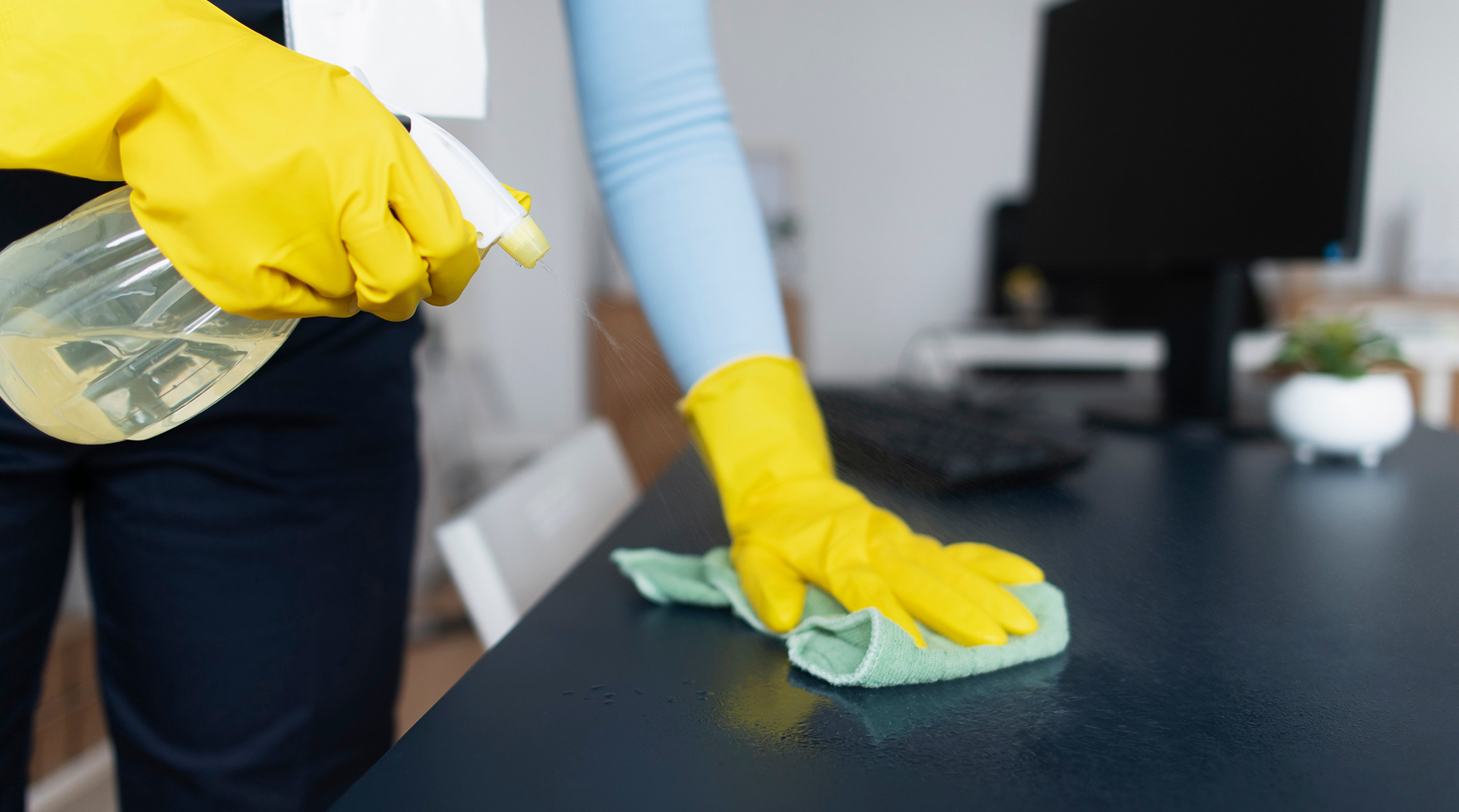
Wear rubber gloves and use a disinfectant product to clean the area and inactivate the bacteria. These chemicals are registered by the Environmental Protection Agency, and they have important directions for use on the container, including safety precautions.
You can also use a household bleach solution at a ratio of 1.5 cups of chlorine bleach per gallon of water. Place the solution in a spray bottle and spray the area with the waste product so it is wet. Next, let it soak for 5 minutes. Use paper towels to wipe up the area and place in a trash bag and dispose.
Next, mop the area with a disinfectant solution according to the directions on the package. Wash your gloved hands, then remove the gloves and wash your hands.
For more detailed advice from the CDC about potentially contaminated carpets, upholstery, books and other property, see https://www.cdc.gov/healthy-pets/rodent-control/clean-up.html.
Here’s to a healthy mouse-free summer season.
Julie Garden-Robinson, Ph.D., R.D., L.R.D., is a North Dakota State University Extension food and nutrition specialist and professor in the Department of Health, Nutrition and Exercise Sciences.