Photo courtesy Pixabay
by Julie Garden-Robinson
“Did you know that most adults across the world have a psychoactive stimulant daily?” my son asked me.
He was working on the opening line of a speech for a class. My then-teenage son's question certainly caught my attention.
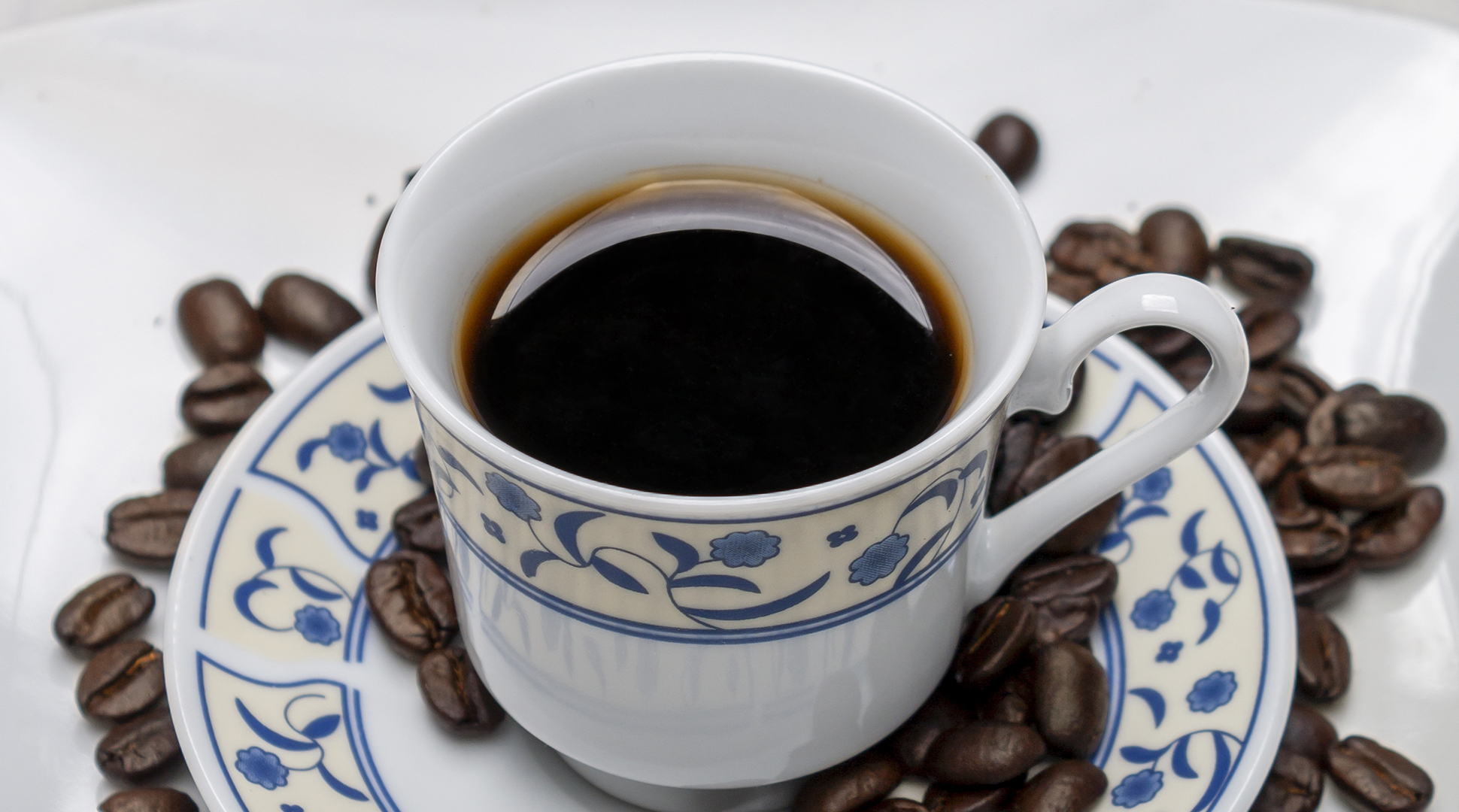
The stimulant was in a cup surrounded by my hands. I was drinking my morning coffee.
Caffeine is a central nervous system stimulant that people across the world use every day. “Psychoactive” means the substance affects the mind.
Caffeine is naturally found in some foods, such as coffee beans, cocoa beans and tea leaves. It is added to energy drinks and soft drinks as an approved “Generally Recognized as Safe” food additive.
Like many people, I have needed a little boost now and then, especially in the morning. At the time of my son’s speech, I was busy helping raise three kids and working full-time.
Actually, I still need an energy boost in the morning.
According to legend, the edibility of coffee beans was discovered long ago when a goat herder in Ethiopia noticed goats nibbling on berries. They began energetically hopping around after their snack.
The goat herder gave some berries to a monastery, so the monks could pray all night after the boost from the berries.
Using the energizing berries moved across the Arabian Peninsula to Europe and Asia, and someone decided to put the roasted, ground-up berries in hot water.
Caffeine has more uses beyond reducing our drowsiness in the morning. Caffeine is approved as an intravenous drip in the treatment of apnea for some premature infants.
Some people find caffeine helpful in treating migraine headaches in combination with pain relievers, and some athletes use it in endurance events, but talk with a health care provider before you do. Other scientists are studying its use in treating depression and cognitive decline.
Studies have linked drinking coffee with reducing our risk for diabetes and certain types of cancer.
In other words, my morning cup of coffee (or yours) is not causing harm and may actually have positive effects.
Moderation is key. Too much caffeine is not a good thing. According to researchers, a daily “dose” of up to 400 milligrams is considered OK.
A 12-ounce serving (about 1 ½ cups) of coffee has 110 to 250 milligrams of caffeine, depending on how it is brewed. Light roast has more caffeine than dark roast.
A moderate amount of coffee or other caffeinated beverages is hydrating, although not as hydrating as plain water. Too much caffeine can have a diuretic effect, stimulating urination. In other words, you may be using the bathroom more than usual.
If you have ever overdone it on coffee or other caffeinated beverages, you are probably already aware of the potential side effects. You may feel restless and fidgety. Your heart rate may be irregular, and you may experience gastrointestinal upset. Severe effects from too much caffeine could include hallucinations, heart arrhythmias, and other effects.
If you decide to trim your caffeine consumption, approach withdrawal slowly to avoid headaches and other symptoms that may accompany even moderate consumption.
Because jumping around like an overcaffeinated goat is not conducive to my work environment, I stick with my 12-ounce cup of coffee, then I switch to water.
Julie Garden-Robinson, Ph.D., R.D., L.R.D., is a North Dakota State University Extension food and nutrition specialist and professor in the Department of Health, Nutrition and Exercise Sciences.