What we think about protein quality
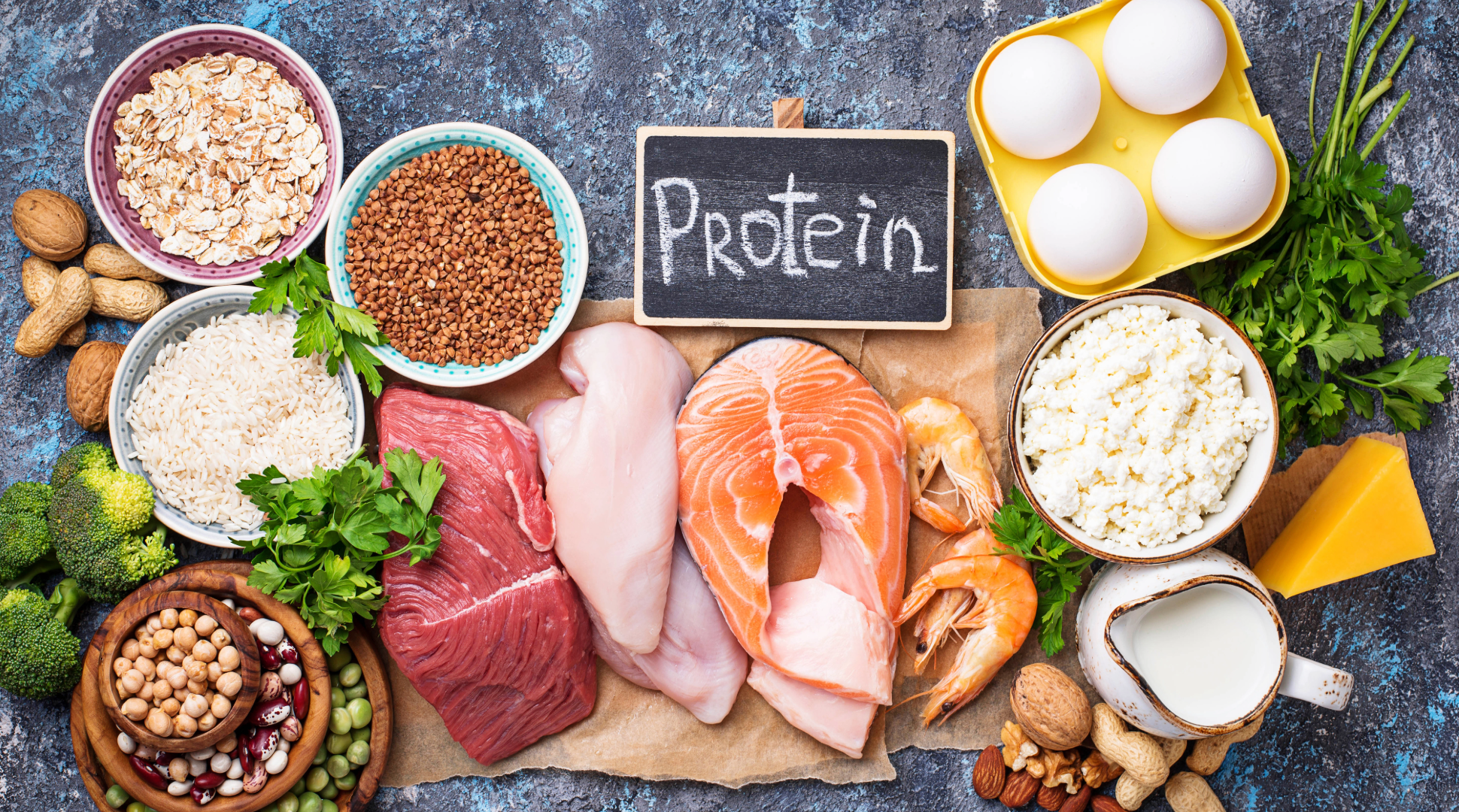
Protein continues to be one of the most talked-about nutrients on your plate. From building muscle to supporting overall health, it plays an important role in a balanced diet. But new research shows that while Americans are focused on getting enough protein, there’s still some confusion about what “protein quality” really means.
Recent findings from the International Food Information Council (IFIC) highlight an interesting gap: nutrition science defines protein quality one way, but consumers often see it differently. (Read the entire report here: IFIC Spotlight Survey: Americans' Perceptions Of Protein Quality & Labeling - IFIC)
What Does “Protein Quality” Mean?
From a scientific standpoint, protein quality is about the building blocks – amino acids – your body needs to function. High-quality proteins, also called “complete proteins,” contain all nine essential amino acids and are easily used by the body.
But that’s not what most people think of.
For many Americans, “high-quality protein” is less about science and more about everyday experience. The research from IFIC shows that about 40 percent of people say a high-quality protein is simply one that tastes good. Others associate it with how much protein is in a serving, or whether the food feels natural or minimally processed.
In short, people are defining protein quality based on what matters to them at the table.
Protein Is Still Top of Mind
Protein has been the nutrient Americans are most focused on for several years running. Many people even use “good source of protein” as a quick way to decide if a food is healthy.
That’s not necessarily a bad thing, but it does mean that more often than not, people are focusing on quantity rather than variety.
A healthy diet includes protein from a range of sources, including meat, dairy, eggs, beans, and soy. Each brings something a little different to the table, and together they help support overall nutrition.
Keeping It Simple Matters
When it comes to food labels, simple messages win. Most shoppers look for clear, easy-to-understand cues like:
- Total grams of protein
- Good source of protein,” claims
- How a food contributes to daily needs
Highly technical details, like amino acid scores, don’t resonate with most consumers. What matters is having information that’s useful and easy to apply in everyday life.
Bridging the Gap
The IFIC research also shows that many Americans believe protein from different foods works differently in the body. That’s why clear, practical information can help.
For people confused about what constitutes “good protein,” the best approach is to focus on balance.
- Include a variety of protein sources
- Pay attention to portion sizes
- Choose foods you enjoy, and that fit your lifestyle
The most important thing, however, is finding what works for you and your family.
Related articles: